

Project ENUA has reached its halfway point, with work now actively underway across multiple areas to strengthen environmental management across the Cook Islands. From policy to on-the-ground planning, the project is building the systems, partnerships, and tools needed to better protect and manage our natural environments.
What’s happening so far
Across the programme, progress is taking shape in several key areas:
- Environmental governance: Work is underway to strengthen the Environment Act, alongside practical planning tools that support more consistent and informed environmental decision-making across sectors.
- Catchment management: Activities are progressing to better understand and manage priority catchments in Avana, Turangi, Avatiu and Takuvaine, including how land use impacts water quality, sediment flow, and the health of downstream lagoon systems.
- Protected areas: Planning is underway to support the identification, design, and long-term management of protected and conservation areas, with a focus on balancing biodiversity protection and sustainable use.
- Island planning: Island Environment Management Plans (IEMPs) are being developed for Aitutaki, Mitiaro, Mangaia and Atiu to help communities define local environmental priorities and guide coordinated action at the island level.
- Invasive species preparedness: Systems are being strengthened to improve early detection and response, while also supporting longer-term prevention and coordination across agencies and islands.
- Environmental data: Work is ongoing to improve how environmental data is collected, managed, and shared, ensuring it can better support planning, monitoring, and decision-making.
- Community engagement: Engagement with communities, traditional leaders, and stakeholders is ongoing, supporting participation in planning processes and strengthening shared understanding of environmental priorities.
Much of this work is still in progress, focused on putting the right foundations in place for long-term impact.
The mid-term review
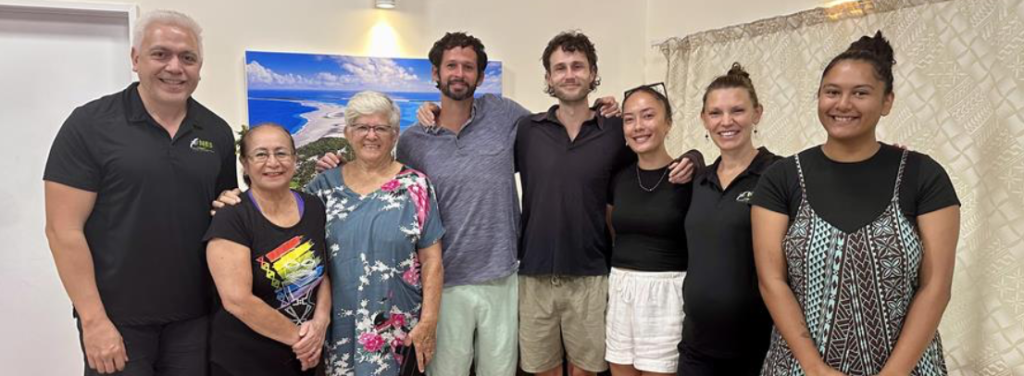
As the project reaches this midpoint, an independent assessor is on island to conduct a mid-term review. This review will look at how the project is tracking, what is working well, and where adjustments may be needed to strengthen delivery moving forward. The review will help guide the next phase of Project ENUA, ensuring that efforts remain focused, practical, and grounded in the realities across the islands.
Meitaki to all partners, stakeholders, and communities contributing to this review period.