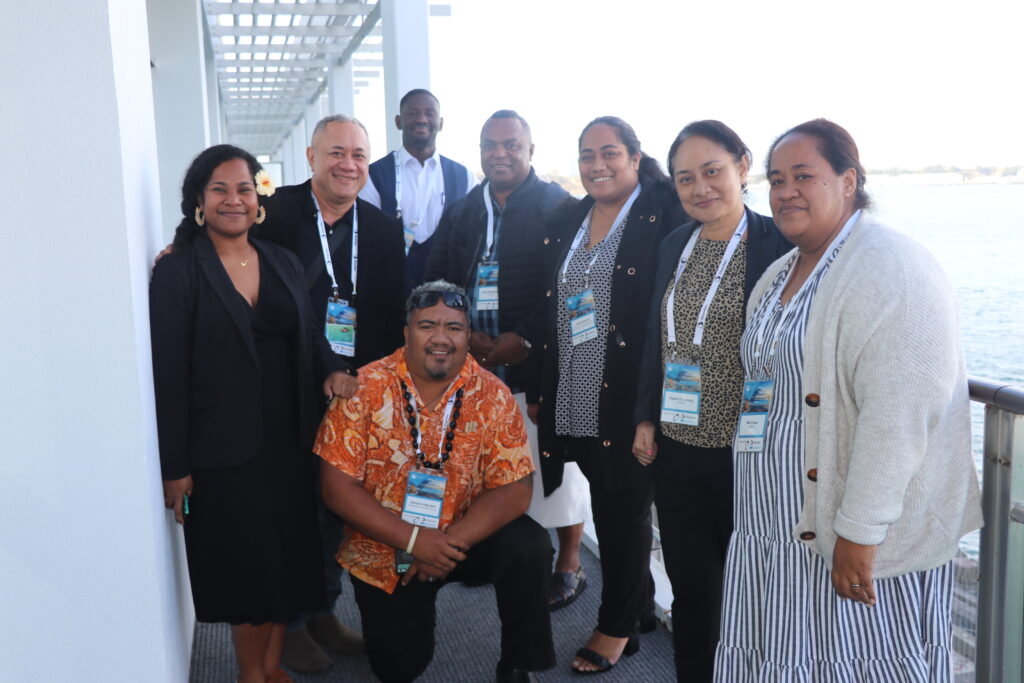


The 12th Regional Dialogue on Biodiversity Finance for Europe, Asia, and the Pacific was held from 16-18 June 2026 in Antalya,Türkiye. The meeting brought together governments, UNDP BIOFIN teams, development partners, and finance practitioners to focus on a critical global challenge: how countries can sustainably finance biodiversity conservation and ocean management.
Across the three days, it was clear that countries are moving from planning to implementation. Instead of only discussing ideas, countries are now testing practical approaches to finance nature protection. These include combining different funding sources, improving financing for protected areas, restoring coastal ecosystems such as mangroves to support both conservation and livelihoods, and exploring emerging tools such as biodiversity credits and green finance tools.
For the Cook Islands, discussions focused on strengthening support for Marae Moana, the national framework managing the country’s 1.9 million km² ocean space. While the governance system is already strong, funding currently comes from multiple sources, including government budgets, donor programmes, regional initiatives, and philanthropic support. This means funding is often spread out and short-term rather than coordinated and steady. A key takeaway from the dialogue is that this challenge is shared by many countries, where long-term and stable financing for nature and ocean management is still lacking.
Peer learning sessions highlighted different approaches being used internationally, including conservation trust funds that provide long-term financing, sovereign blue bonds that raise funds for ocean related investments, and blended finance models that combine public and private investment. The main message was that there is no one-size-fits-all solution, and each country needs to design financing approaches that reflect its national context, priorities, and capacity.
Key lessons from the dialogue highlight the importance of improving coordination of existing funding, strengthening project readiness to attract investment, and exploring practical financial mechanisms that will support long-term conservation and ocean protection.
Overall, the dialogue reinforced an important message: protecting biodiversity is not only about having strong policies and systems in place, but also about ensuring there is reliable and well-organised funding to support action over the long term.