Pacific SIDS Strengthen UNCCD Reporting Capacity in Rarotonga
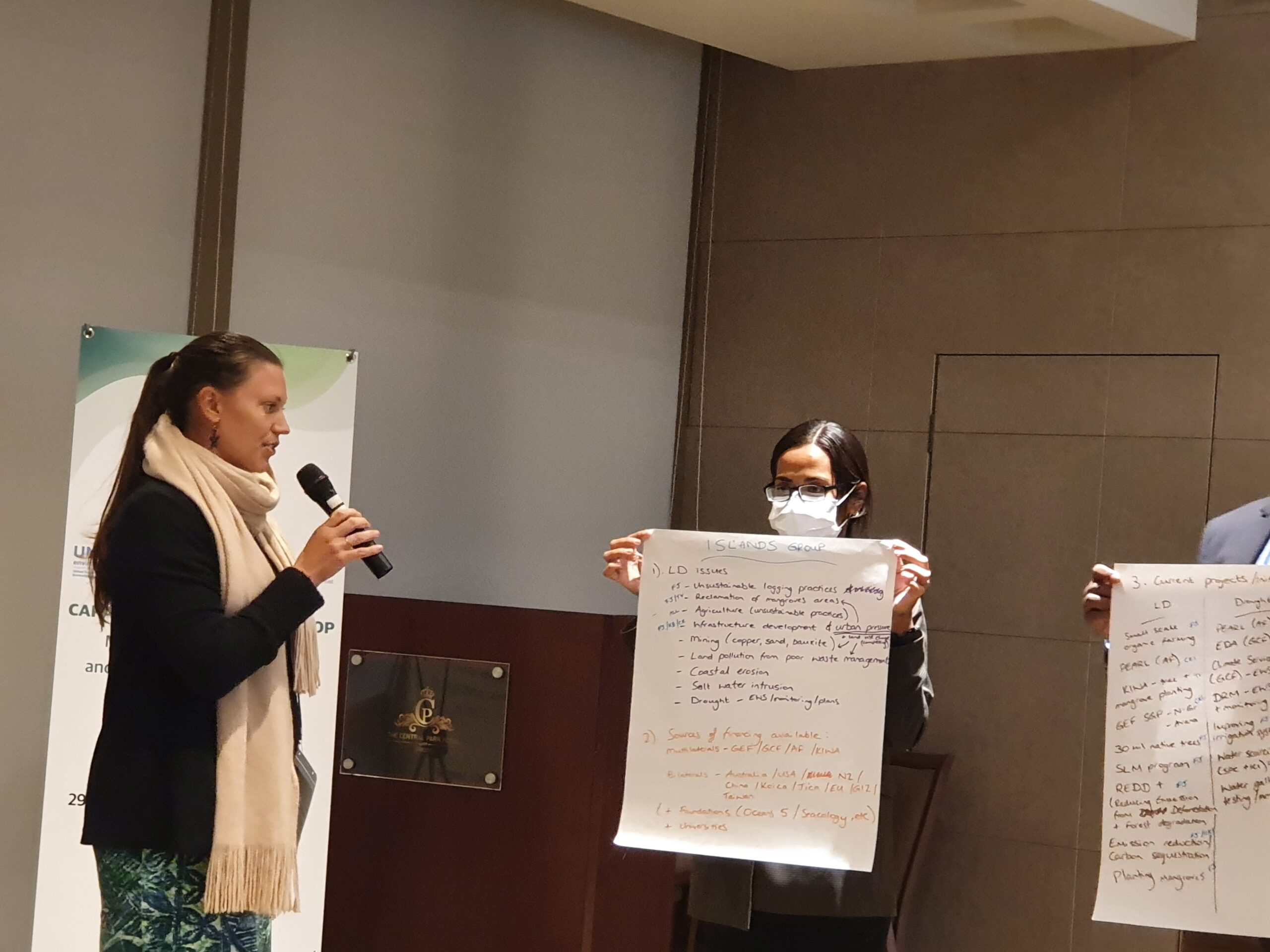
A key discussion was the need for global reporting systems to better reflect small island realities.
The Rarotonga Environment Act 1994/95 was repealed by the Environment Act 2003 formalising the establishment of the NES.
The role of the National Environment Services is based on 5 main areas and has four main departments.
There is a suite of policies, strategies and plans developed over the years to enable environmental protection, conservation and management.
Our cultural identify is deeply rooted in our environment and it is part of our heritage and legacy.
An Environment Consent is a permission granted to an applicant undertaking an activity that has some but not significant environment impact.
A permission required for the construction of a standard residential dwelling or non-construction purposes such as land clearance.
A management tool used to identify the environmental, social and economic impacts of a project prior to decision making.
Any person planning to take any wild animal or plant overseas must apply for a permit for trade movement of endangered species (CITES).
All importers of bulk HFC goods must register as an approved importer with NES.
Other permits issued by NES relates to the transboundary movement of waste, ozone depletion substances and wildlife.
Biodiversity plans are important documents to manage and determine the state of our natural environment.
Protecting species, habitats, ecosystem, and protecting biological diversity.
Activities to protect, maintain, or restore the quality of environmental media.
Historical milestone for conservation in the Cook Islands
The Environment Act 2003 is the primary legislation applied throughout the Cook Islands and the Outer Islands (Pa Enua) of Aitutaki, Atiu, Mauke and Mitiaro.
Several subsidiary legislations made under the Environment Act 2003 to apply provisions of the Act and to also include the Pa Enua.
Numerous national legislations interlinked with the environment but administered by other government entities.

A key discussion was the need for global reporting systems to better reflect small island realities.

The theme of Adaptation Futures 2025 included indigenous peoples, oceans, cities and infrastructure, food, water and biodiversity nexus, health and wellbeing for the future generation,

The delegation highlighted challenges specific to small islands, including how coastal erosion and saltwater intrusion affect productive land, the vulnerability of freshwater sources during drought,

The hands-on workshop built skills in ArcGIS tools for mapping, data collection, and analysis, strengthening capacity for environmental monitoring, disaster risk reduction, and evidence-based decision-making

The Cook Islands’ participation in COP16 and the regional preparatory meeting demonstrates its commitment to addressing land degradation and drought, and to working collaboratively with

Hayley Weeks, NES Manager of Environmental Partnerships, attended UNCCD’s third Intergovernmental Working Group on the Midterm Evaluation (IWG-MTE) of its 2018-2030 Strategic Framework recently concluded

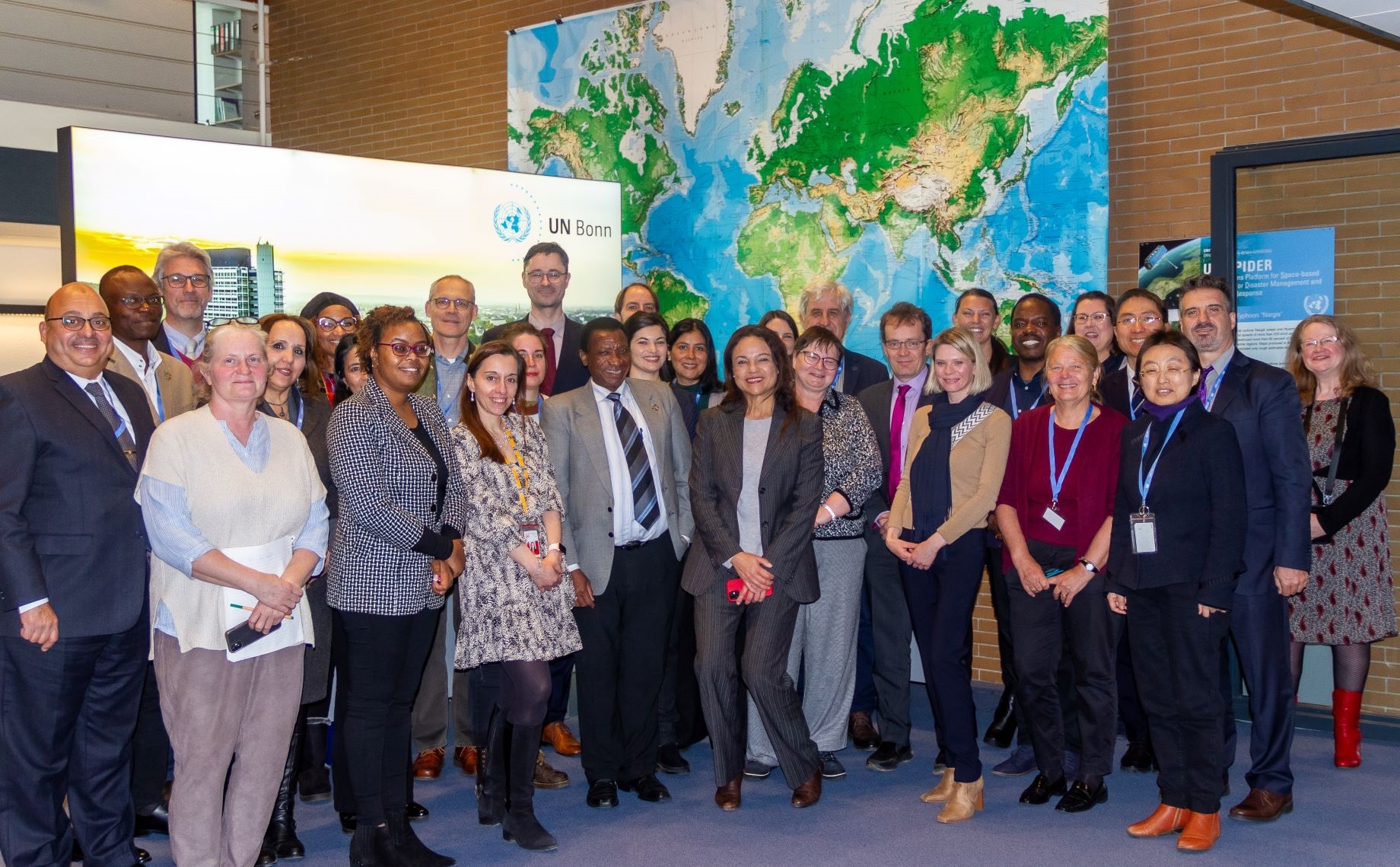
The write-shop built on the land-based project ideas collected in the earlier workshop as well as those included in this write shop to ensure country

Earlier this month NES attended the first UNCCD -IWG meeting OF THE Strategic Framework

The United Nations Convention to Combat Desertification (UNCCD) invites organizations and individuals to share their case studies.

UNCCD aims to address the causes and impacts of drought, land degradation and desertification (the process in which fertile land becomes arid).