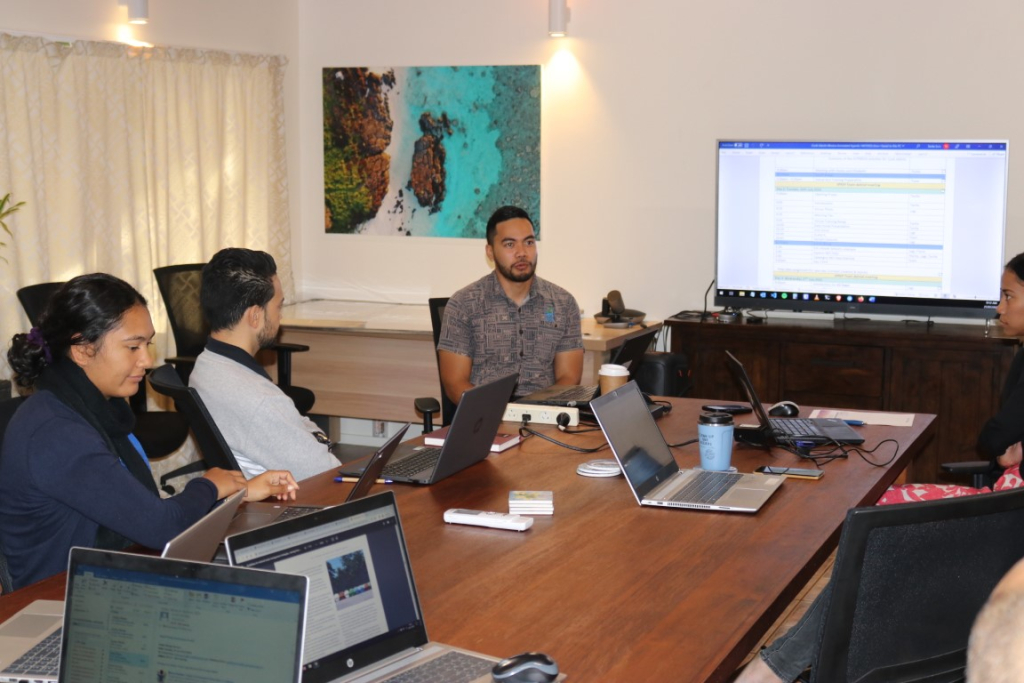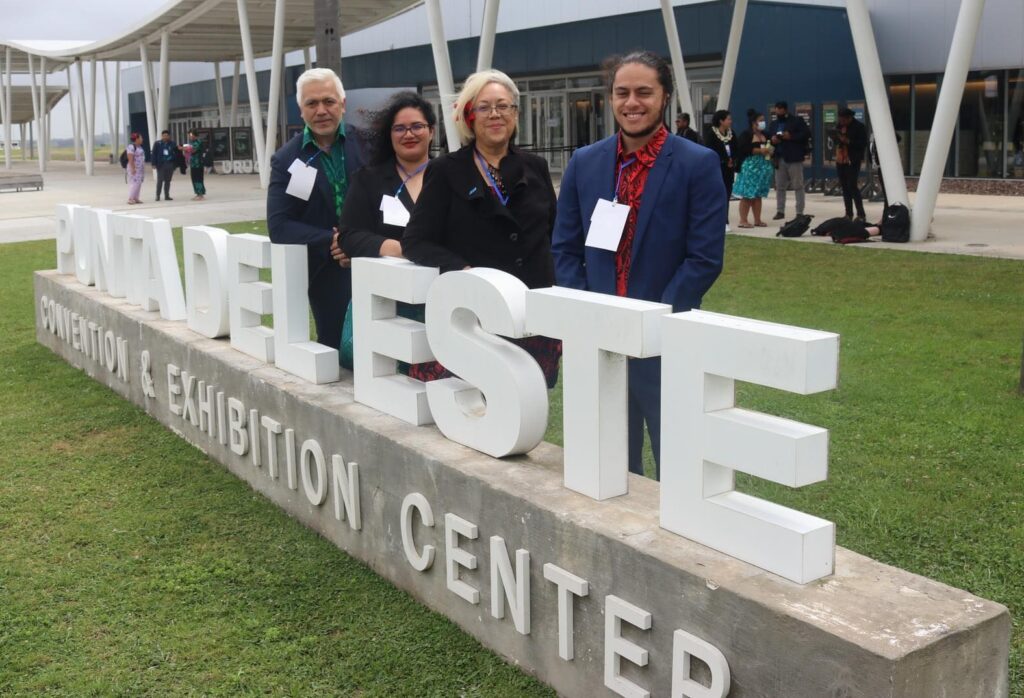


More than 50 invasive species practitioners and biosecurity professionals from across the Pacific gathered in Koror, Palau, from 18–22 May for the seventh meeting of the Pacific Invasive Learning Network (PILN), marking a significant milestone for the network as it returned to its birthplace 20 years after the inaugural meeting was first held in Palau in 2006. Hosted by the Government of Palau, the meeting celebrated two decades of Pacific collaboration while setting a strong course for the future of regional invasive species management.
Guided by PILN’s mission to empower effective invasive species management through shared learning and practical collaboration, the week-long programme focused on strengthening technical capacity, sharing lessons from the field, and building stronger partnerships among Pacific Island countries and territories. Delegates exchanged country updates, case studies and success stories, demonstrating how local action is delivering real results for biodiversity protection and community resilience across the region. Sessions explored emerging threats such as marine invasive species, pathways for strengthening biosecurity systems, restoration approaches, and linkage between regional and international invasive species targets and indicators. Practical group exercises and hands-on training through the Pacific Regional Invasive Species Management Support Service (PRISMSS) Navigator also provided participants with opportunities to identify technical support needs and advance solutions for on-the-ground action.
A key outcome of the meeting was renewed commitment to deeper regional collaboration. Participants highlighted the need for continued capacity building and stronger cross-sector partnerships, and reaffirmed the value of peer-to-peer learning as a powerful mechanism for accelerating invasive species management across the Pacific. Site visits in Palau further grounded discussions in practical experience, allowing delegates to observe local invasive species management initiatives at Ulong Island firsthand while strengthening cultural exchange and regional solidarity.
The meeting also celebrated the people driving this work forward. During the Pacific Invasive Species Battler of the Year Awards, Marshall Islands biosecurity leader Byrelson Jacklick was recognised as the 2025 Pacific Invasive Species Battler of the Year for his outstanding grassroots leadership and commitment to invasive species management in the Republic of the Marshall Islands. His recognition highlighted the dedication, innovation and perseverance of practitioners working at the frontline of biosecurity across the Pacific.
As the seventh PILN meeting concluded with a field visit and closing reflections, delegates left Palau with strengthened networks and a shared determination to turn learning into action.
The Cook Islands was represented at the seventh PILN by NES Biodiversity Coordinator, Ms. Jessie Nicholson, and Ministry of Agriculture Biosecurity Director, Mr. Piriariki Maao. NES wishes to acknowledge Project ENUA for their support with the delegation’s attendance to the PILN-7.
Project ENUA aims to enhance Cook Islands biodiversity, safeguard its ecosystems and improve national capacities in sustainable land management, including invasive alien species (IAS) and biosecurity systems.
Twenty years after PILN first began, its return to Palau served as a powerful reminder that regional unity, knowledge-sharing and collective commitment remain essential to protecting Pacific biodiversity. The momentum generated in Koror signals a positive path forward, one where Pacific nations continue to act locally, inspire globally, and work together toward resilient ecosystems and resilient communities for generations to come.