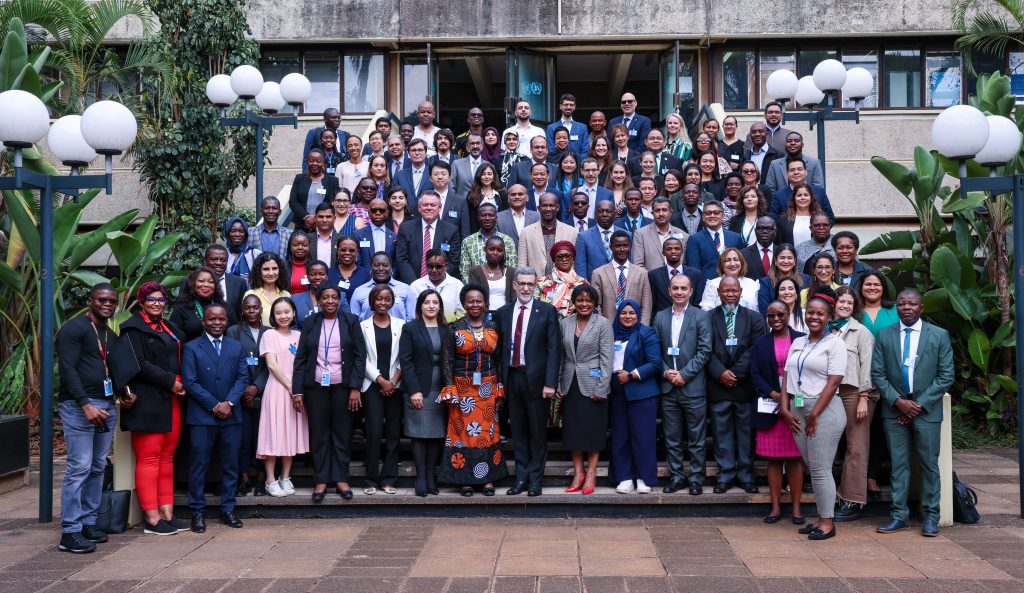


The Cook Islands recently took part in a regional workshop held from 11–13 March 2026 in Apia, Samoa, where Pacific countries came together to strengthen how we deal with invasive species across the region.
Invasive species might not always be visible, but they continue to pose real risks to our environment, food systems, and livelihoods. The workshop focused on a new regional project under the Global Environment Facility (GEF-8), which aims to help countries like ours improve how we prevent, detect, and respond to these threats.
For the Cook Islands, the discussions really highlighted some of the ongoing challenges we face at home. One of the main issues is limited capacity in the Pa Enua, along with the fact that biosecurity procedures are not always applied consistently across all islands. Movement of vessels and cargo between islands, as well as international arrivals, also remains a key pathway for risk.
A strong message from the workshop was the importance of focusing on our entry points, especially ports in Rarotonga, where much of this risk comes through. Strengthening early detection and response systems was also seen as critical so that we can act quickly when something new is identified.
Another important point was the need for better coordination between agencies working across marine and land areas. When everyone is working together more clearly and consistently, it makes our overall response much stronger.
During the workshop, the Cook Islands worked closely with regional partners to confirm our input into the project, including priority islands such as Rarotonga, Atiu, Mangaia, Penrhyn, Suwarrow, and Aitutaki.
This regional project is expected to begin in 2027 and will support countries to build stronger systems and improve long-term capacity.
Overall, this is an important step forward in protecting the Cook Islands environment and making sure we are better prepared to manage invasive species now and into the future.