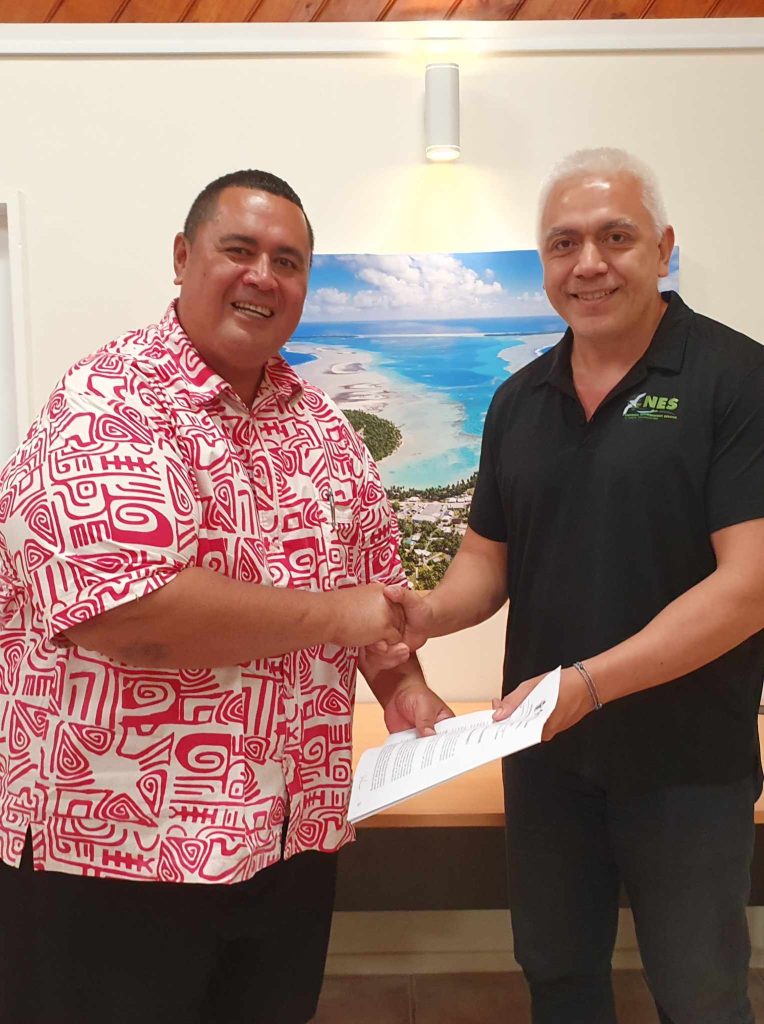


The National Environment Service (NES), through Project ENUA, recently welcomed environmental consultant Tim Martin to Rarotonga to support the ongoing development of the Takitumu Conservation Area (TCA) Management Plan. During his visit, Tim met with members of the TCA Committee, landowners, project partners and stakeholders to discuss future management priorities for one of the Cook Islands’ most important conservation areas.
A key highlight of the visit was a TCA Committee consultation meeting held at the NES office, where participants reviewed progress on the draft management plan and shared their perspectives on the future of the conservation area. Discussions covered a broad range of topics including biodiversity conservation, catchment management, biosecurity, cultural heritage, tourism, environmental monitoring and long-term management priorities.
A recurring theme throughout the consultation was that the updated management plan will build on the strong foundations already established through more than three decades of conservation efforts within the TCA. Participants reflected on the success of community-led conservation initiatives, particularly the recovery of the endangered Rarotonga Flycatcher (Kakerori), while also identifying opportunities to expand management efforts to support wider biodiversity, water security and ecosystem health.
The consultation forms part of Project ENUA’s ongoing work to strengthen protected and conserved area management throughout the Cook Islands. The draft management plan is being developed to build on the strong conservation legacy of the TCA while ensuring that future management reflects local knowledge, community aspirations and emerging environmental challenges.
Alongside stakeholder engagement activities, Tim undertook field visits within the TCA to support planning work and identify opportunities for future monitoring and conservation initiatives. The visit provided an important opportunity to gather feedback directly from those involved in protecting and managing the area and to ensure that proposed actions are practical, achievable and responsive to local priorities.
Participants also highlighted the importance of maintaining strong landowner involvement in the management of the TCA and ensuring conservation knowledge and stewardship are passed on to future generations. Discussions explored opportunities to strengthen education and awareness initiatives, improve long-term sustainability, and identify new partnerships and funding opportunities to support future management efforts.
The information collected during the visit will be used to refine the draft TCA Management Plan before it progresses to the next stage of review. Once completed, the plan will help guide conservation efforts, biodiversity protection, water catchment management and community stewardship activities within the TCA for years to come.